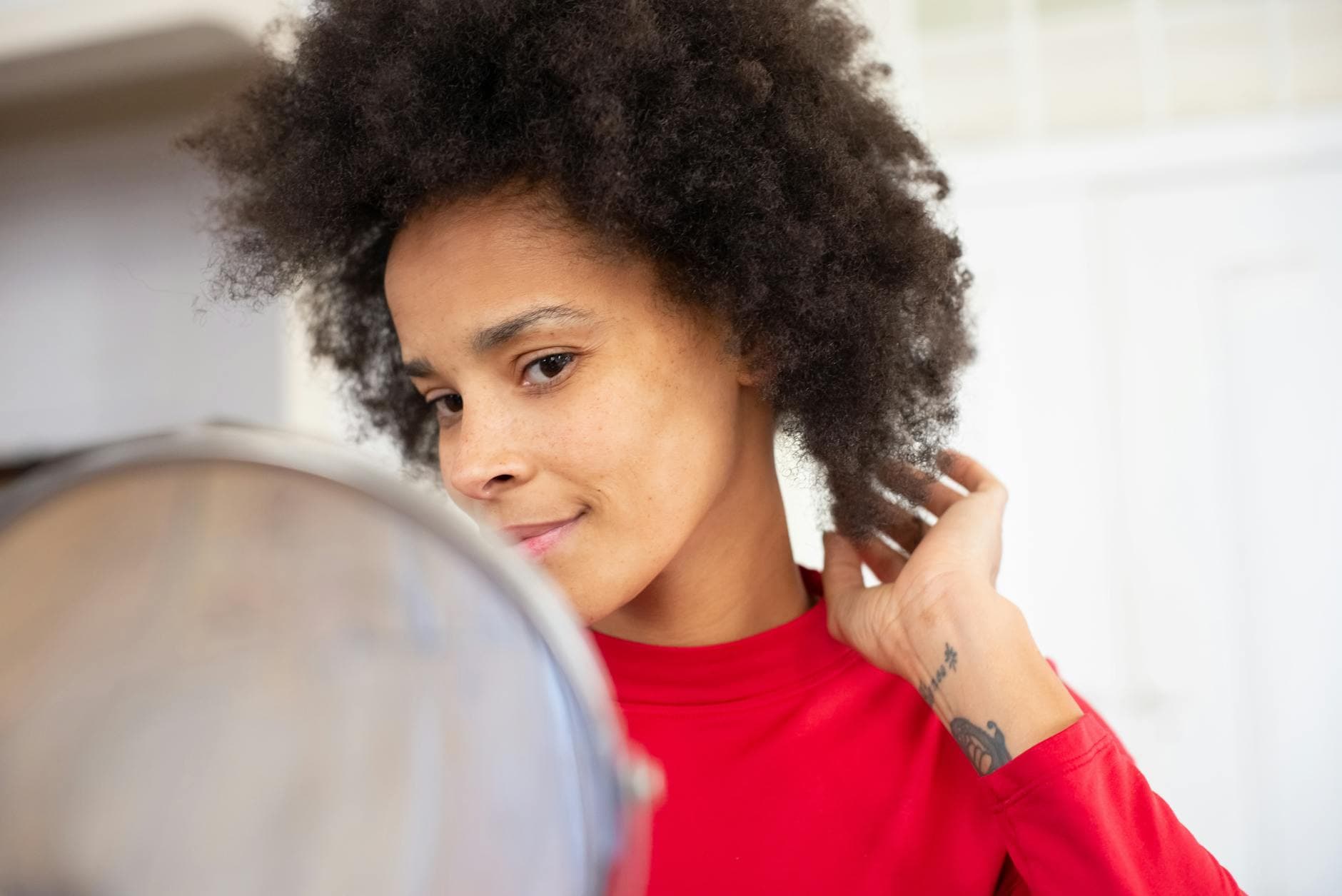
Deep Conditioning 101: Essential Guide for Natural Hair
Unlock the secrets to healthy, hydrated hair with our comprehensive guide on deep conditioning. Discover the best hair masks and moisture treatments for repair.

Michelle Okonkwo
Product Formulator
Deep Conditioning 101: Essential Guide for Natural Hair
Hello, beautiful people! Welcome to Auntie Marlene's blog, your go-to source for all things Black hair care and beauty. Today, we're diving deep into the world of deep conditioning—a crucial step in maintaining the health and vibrancy of your natural hair. Whether you're a seasoned naturalista or just starting your hair journey, understanding the importance of deep conditioning can be a game changer for your hair's hydration, strength, and overall health.
What is Deep Conditioning?
Deep conditioning is a hair treatment designed to provide intense moisture and nourishment to your strands. Unlike regular conditioners, which you might use daily or after every wash, deep conditioners are formulated to penetrate deeper into the hair shaft, offering more intensive care. They're typically left on the hair for a longer period, allowing the rich ingredients to work their magic.
Why is Deep Conditioning Important?
For those of us with natural hair, deep conditioning is especially vital. Our curly, coily, and kinky hair types are naturally prone to dryness because the natural oils from our scalp struggle to travel down the hair shaft. This can lead to issues like breakage, frizz, and a lack of lustre.
Deep conditioning addresses these issues by:
- Boosting Moisture: It replenishes lost moisture, making hair softer and more manageable.
- Strengthening Hair: It reduces breakage by reinforcing the hair shaft.
- Enhancing Elasticity: It helps your hair stretch without snapping, crucial for retaining length.
- Improving Shine and Texture: It revitalises your curls, giving them a healthy bounce and sheen.
Types of Deep Conditioning Treatments
When it comes to deep conditioning, one size doesn't fit all. Here are some popular types you might consider:
1. Moisture Treatments
These focus primarily on hydrating the hair. Ideal for dry, brittle hair, they contain humectants like glycerin and aloe vera, which draw moisture into the hair.
2. Protein Treatments
If your hair feels limp or mushy, it might need a protein boost. Protein treatments help rebuild the hair's structure, making it stronger and more resilient. Look for ingredients like keratin, collagen, or silk protein.
3. Repair Treatments
These are perfect for hair that's been chemically treated or heat damaged. They often combine both moisture and protein to repair and rejuvenate the hair.
4. Scalp Treatments
Don't forget your scalp! Healthy hair starts at the root. Scalp treatments can help with issues like dandruff and promote a healthy environment for hair growth.
How to Deep Condition: Step-by-Step Guide
Ready to give your tresses the TLC they deserve? Follow these steps for an effective deep conditioning session:
Step 1: Choose the Right Product
Select a deep conditioner based on your hair's needs. If your hair is dry, go for a moisture treatment. For weak hair, try a protein-based product.
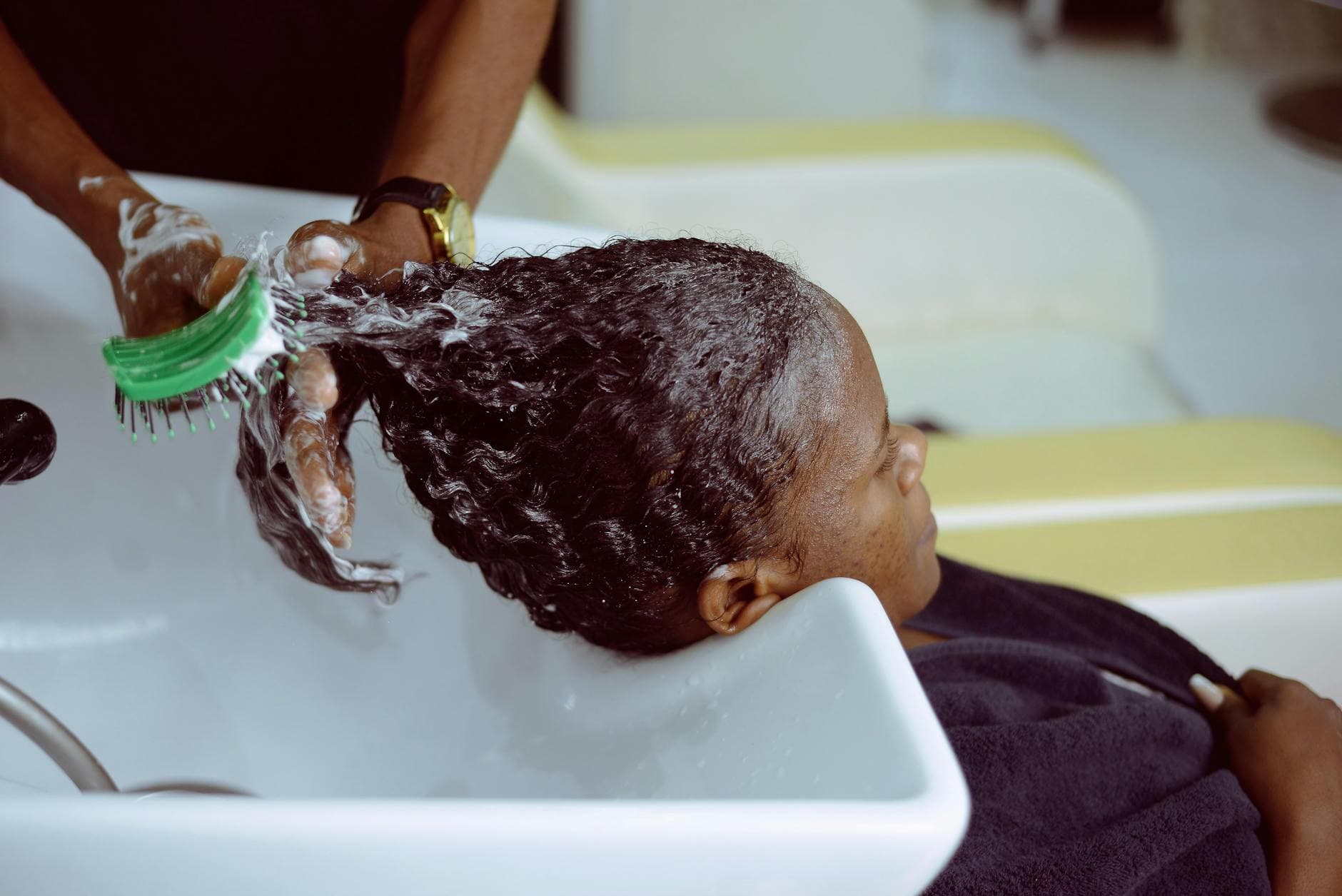
Step 2: Wash Your Hair
Start with clean hair. Use a gentle sulphate-free shampoo to remove any product build-up and open up the cuticle for better absorption.
Step 3: Apply the Deep Conditioner
Section your hair to ensure even application. Apply the conditioner generously, focusing on the ends, which are the oldest and driest parts of your hair.
Step 4: Add Heat (Optional)
Heat can enhance the effectiveness of your deep conditioning treatment. You can use a hooded dryer, a heat cap, or a warm towel wrapped around your head.
Step 5: Leave it On
Follow the instructions on the product label, but generally, leaving the conditioner on for 20-30 minutes is a good practice. Use this time to relax—perhaps with a good book or some music.
Step 6: Rinse Thoroughly
Rinse your hair with cool water to close the cuticles and seal in moisture. This helps to maintain the benefits of the treatment.
Step 7: Style as Usual
Proceed with your usual styling routine, and enjoy the feel of your revitalised, healthy hair!
Products to Try
At Auntie Marlene's, we're all about empowering your natural beauty. Here are some product categories you might explore:
- Moisture Treatments: Look for products with shea butter or honey for deep hydration. Check out our [hair care](/hair-care) section for options.
- Protein Treatments: For a strength boost, consider treatments with amino acids or hydrolysed proteins.
- Repair Treatments: If your hair has suffered from heat or chemical treatments, browse our [repairing conditioners](/hair-care) for some options.
- Scalp Treatments: Explore our [skincare](/skincare) for products that nourish the scalp and promote growth.
Tips for Best Results
- Consistency is Key: Make deep conditioning a regular part of your routine—ideally once a week or every two weeks.
- Listen to Your Hair: Adjust your treatments based on how your hair responds. If it becomes too stiff, ease off the protein.
- Experiment with DIY: Consider making your own deep conditioner using ingredients like avocado, coconut milk, and olive oil.
Conclusion
Deep conditioning is a cornerstone of healthy natural hair care. By understanding your hair's unique needs and choosing the right treatments, you can enjoy stronger, shinier, and more resilient hair. Remember, it's not just about the products—it's about embracing your hair's natural beauty and giving it the love and care it deserves.
Ready to start your deep conditioning journey? Visit us at Auntie Marlene's for all your hair care needs. Explore our range of products, and let's keep those curls thriving!
Join the Conversation
We'd love to hear from you! Share your favourite deep conditioning tips and products in the comments below. And if you're in South London, pop by our store for a chat—we're always here to help.
Until next time, stay fabulous!
About Michelle Okonkwo
Michelle Okonkwo is a cosmetic chemist who has worked with leading natural hair care brands. She brings scientific insight to product recommendations and ingredient analysis.